Choosing the wrong RF connector costs more than the part itself — it costs failed field tests, rework, and delayed shipments. SMA, BNC, and TNC are the three most commonly confused connector families. They look similar, but they serve very different purposes.
This guide breaks down the key differences so you can specify the right connector the first time.
1. Quick Comparison Table
| Feature | SMA | BNC | TNC |
|---|---|---|---|
| Coupling | Threaded | Bayonet (quick-connect) | Threaded |
| Frequency range | DC–18 GHz (up to 26.5 GHz) | DC–4 GHz | DC–11 GHz |
| Impedance | 50Ω (75Ω available) | 50Ω / 75Ω | 50Ω |
| Mating cycles | ~500 | ~500 | ~500 |
| Size | Compact | Medium | Medium |
| Vibration resistance | Good | Fair | Excellent |
| Typical use | Antennas, test equipment, PCBs | Test/lab, video, legacy radio | Outdoor, military, base stations |
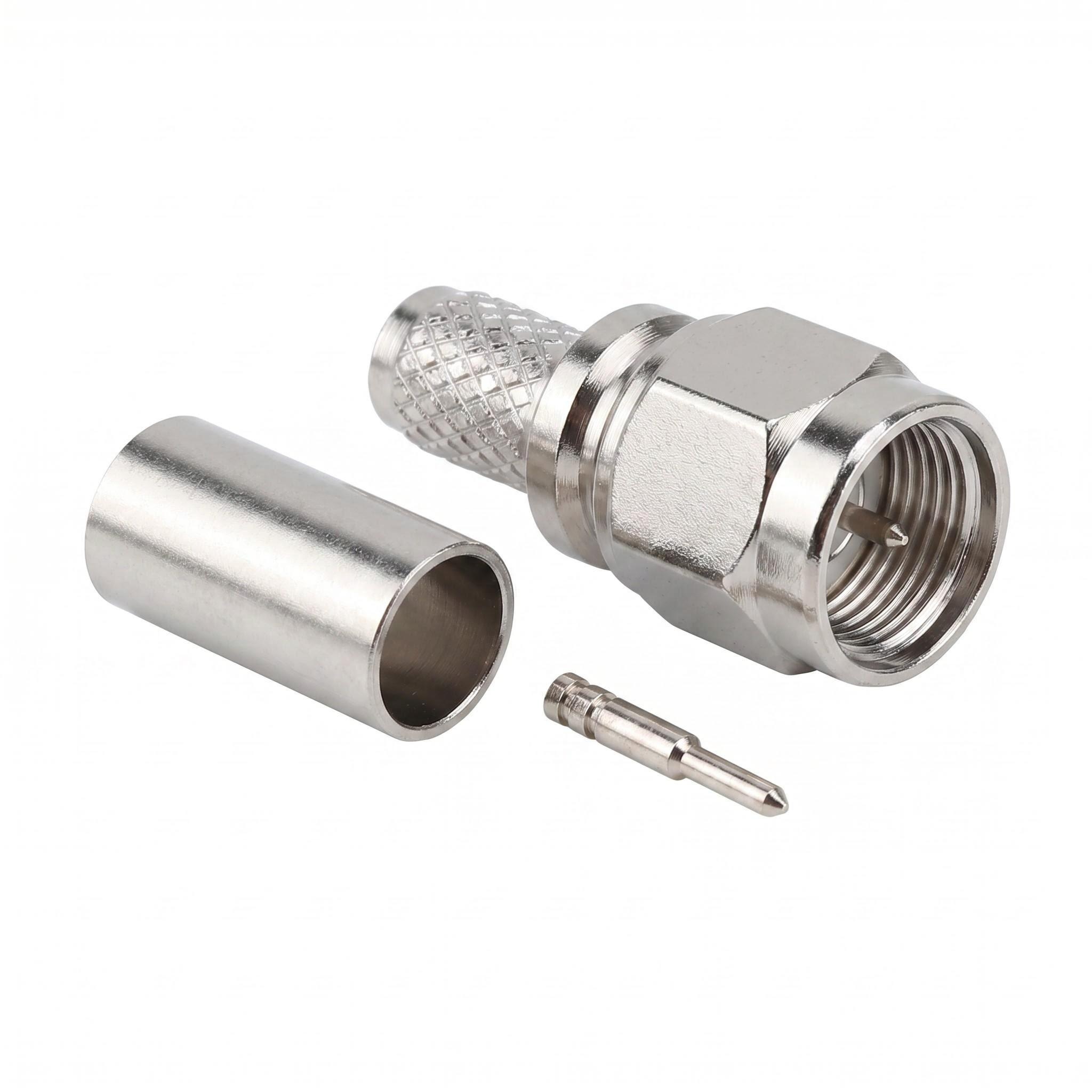
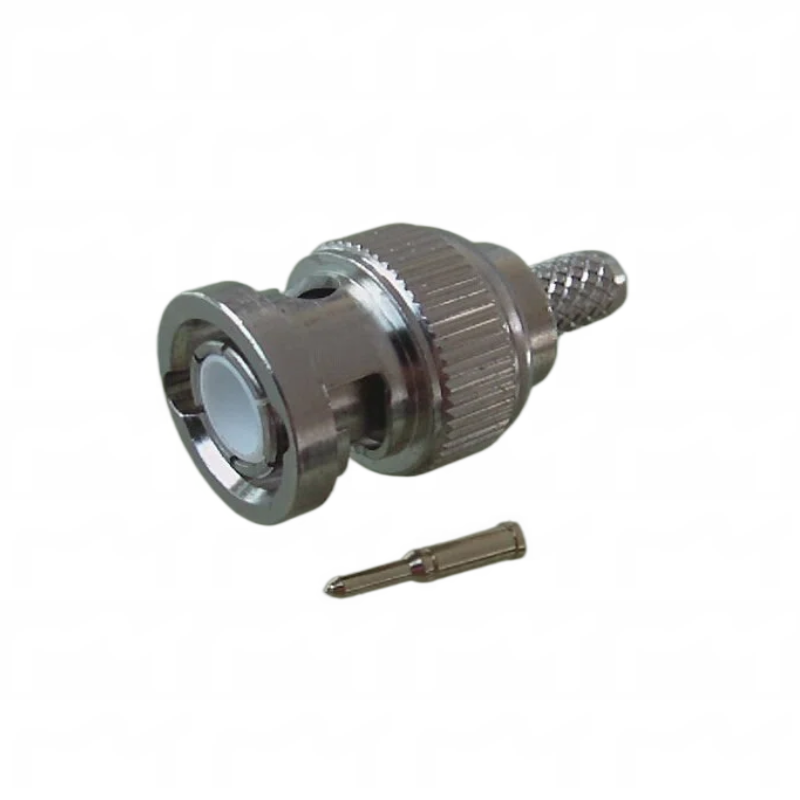
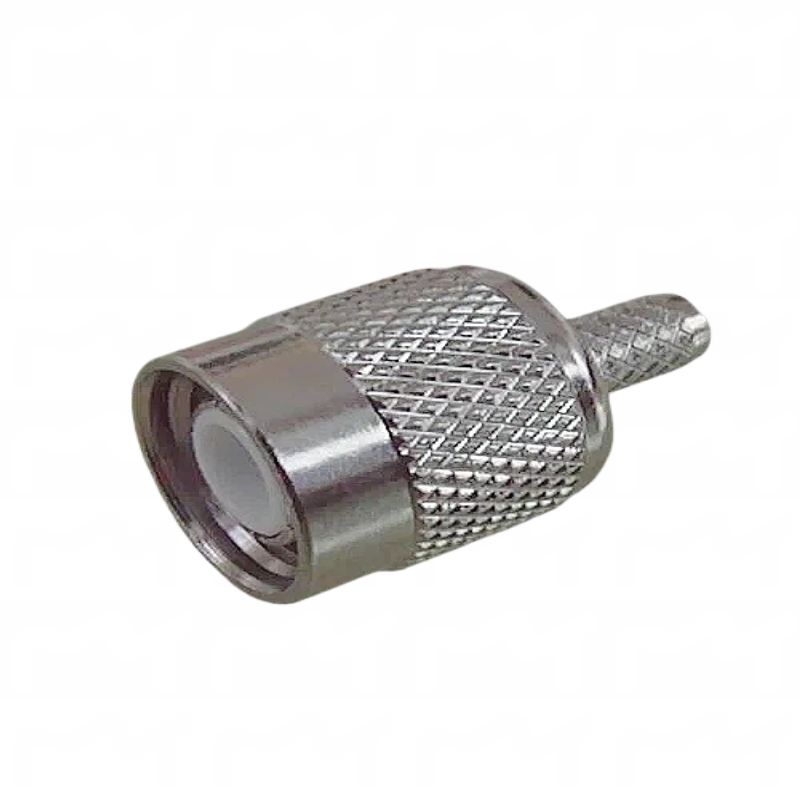
2. SMA: The Precision Choice
SMA (SubMiniature version A) is the go-to for high-frequency applications. Its threaded coupling provides stable, repeatable connections up to 18 GHz — and up to 26.5 GHz with precision variants.
Choose SMA when:
- Operating above 4 GHz
- Space is limited (it’s the smallest of the three)
- You need consistent RF performance for test/measurement
Watch out for: SMA connectors are rated for ~500 mating cycles. For applications requiring frequent connect/disconnect, consider a more rugged option.
3. BNC: The Quick-Connect Workhorse
BNC (Bayonet Neill–Concelman) uses a quarter-turn bayonet lock — fast to mate, easy to use. It’s been the lab standard for decades.
Choose BNC when:
- Operating below 4 GHz
- Quick connect/disconnect matters (test setups, temporary installations)
- Cost is a factor (BNC is typically the most economical)
Watch out for: The bayonet mechanism is less resistant to vibration than threaded types. Avoid BNC in high-vibration environments like vehicles or outdoor towers.
4. TNC: The Rugged Outdoor Option
TNC (Threaded Neill–Concelman) is essentially a threaded version of BNC — same internal design, but with a screw coupling instead of bayonet. This makes it far more resistant to vibration and environmental stress.
Choose TNC when:
- Outdoor or high-vibration environments
- Operating up to 11 GHz
- You like BNC’s electrical performance but need more mechanical ruggedness
Watch out for: TNC is bulkier than SMA. If space is tight and you need high frequency, SMA is the better pick.
5. How to Decide: 4 Questions to Ask
- What’s your max frequency? Above 4 GHz → SMA. Below 4 GHz → BNC or TNC.
- Indoor or outdoor? Outdoor/vibration → TNC. Lab/controlled → BNC.
- How often will it be mated? Frequent → BNC (quick). Permanent/semi-permanent → SMA or TNC.
- What’s your impedance? Most RF is 50Ω. Video/broadcast often uses 75Ω (BNC dominates here).
Conclusion
There’s no “best” connector — only the right one for your application. When in doubt, match the connector to your frequency first, then your environment, then your mechanical requirements.
Need a custom variant? We manufacture SMA, BNC, TNC, and 8 more connector families with OEM/ODM support. Browse our RF connector series → or send your drawing for a quote →